The Front Desk Is Already Doing a Full-Time Job
Let's be clear: this has nothing to do with front desk teams being lazy or disorganized. They're already managing a waiting room, answering phone calls about insurance, confirming tomorrow's appointments, and checking in patients.
When a lead comes in from a Facebook ad at 2 PM on a Tuesday, the marketing lead notification goes to the bottom of the priority list. And honestly, it should. The patient standing in front of them matters more than a name on a screen.
But by the time someone calls that lead back at 4:30 PM, the opportunity is gone. The patient has already booked with the practice that responded in 3 minutes. Not because that practice was better. Because they were faster.
This gap between when a lead comes in and when a human being actually talks to them is what kills dental marketing ROI. Not bad ads. Not wrong targeting. Not insufficient budget. The follow-up gap.
What Happens When a Lead Goes Cold
The data on lead decay is brutal. Response within 5 minutes: 21x qualification rate. Response within 30 minutes: the probability of qualifying the lead drops by over 80%. Response after 1 hour: you're essentially cold-calling someone who has already moved on.
In dental marketing specifically, the dynamics are even more punishing. Most patients researching Invisalign or dental implants are comparing multiple providers simultaneously. They're filling out forms on 2–3 websites in the same sitting. The practice that calls first doesn't just get an advantage. They often get the only real shot at that patient.
This happens because patients are actively making a decision. They're looking for someone to solve their problem right now. The first practice that engages them in a real conversation, a real voice on the phone, anchors the relationship. Everything after that is an uphill battle for the competition.
And here's the part that really hurts: most practices never know this is happening. Their agency reports 80 leads this month. The front desk says "the leads aren't good quality." The practice owner wonders why marketing doesn't work. But a large portion of those leads were genuinely interested patients who went cold because nobody called them fast enough. The leads were fine. The follow-up infrastructure wasn't.
The Three-Layer Solution
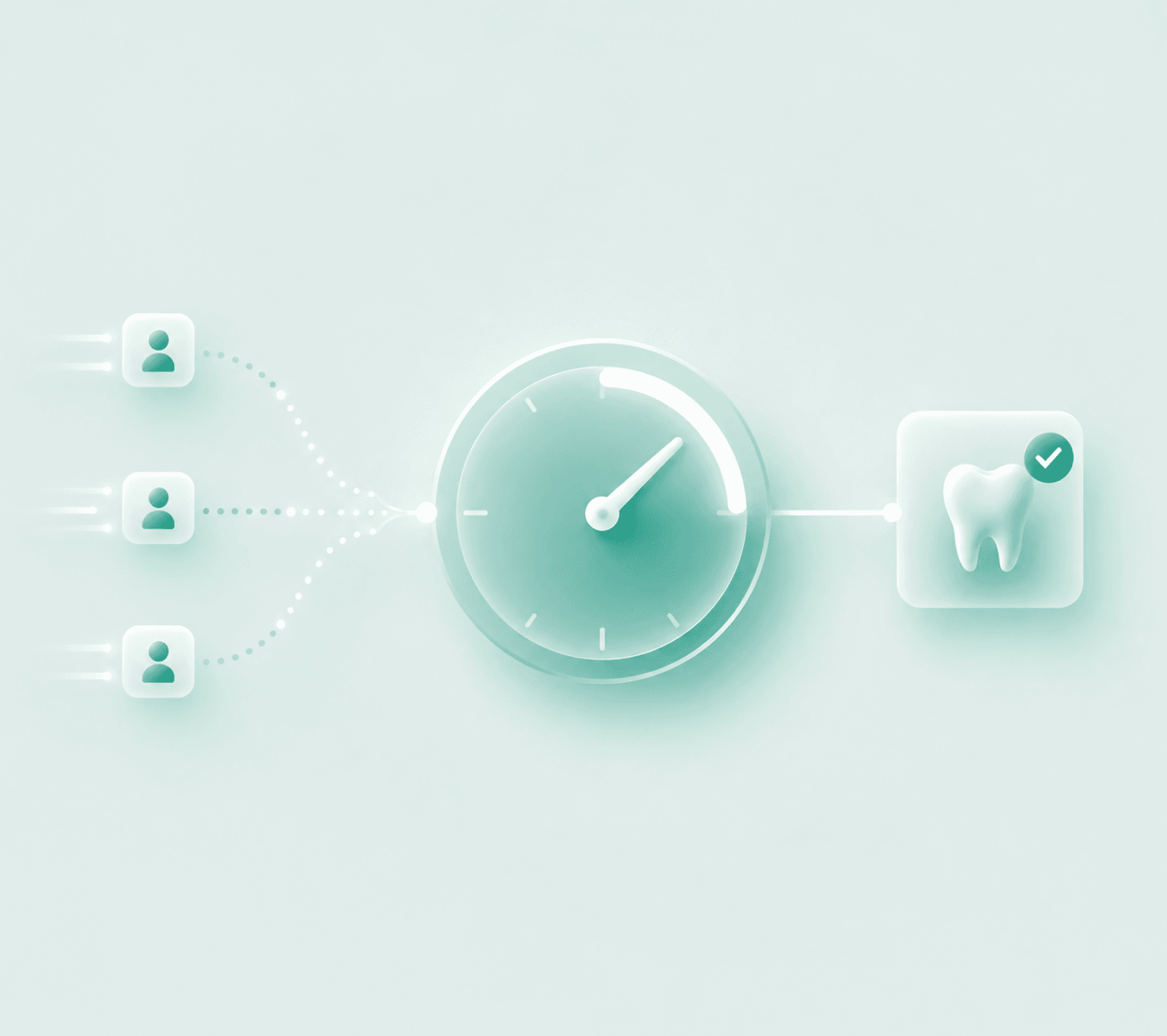
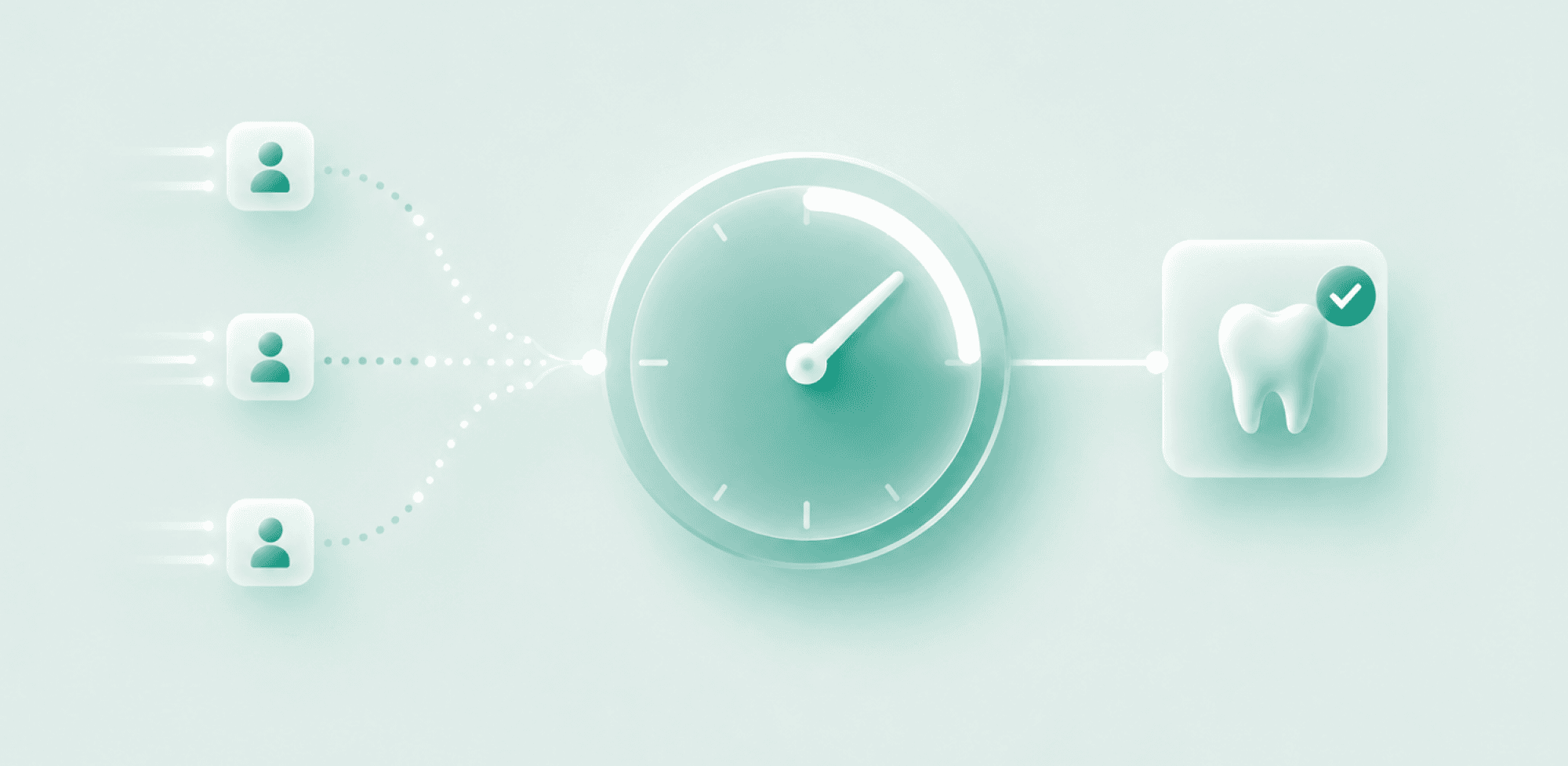
The fix has nothing to do with hiring more front desk staff. The fix is removing lead follow-up from the front desk's responsibilities entirely and building a dedicated response system with three layers.
Layer 1: AI-Powered Instant Acknowledgment
Within 60 seconds of a lead submitting a form, an AI system sends a personalized response, typically via SMS and email, acknowledging their enquiry, confirming their interest in the specific treatment they asked about, and letting them know a team member will call them shortly. This accomplishes two things: it shows the patient their enquiry was received (reducing the chance they immediately submit another form elsewhere), and it buys time for the human follow-up.
This goes well beyond a generic autoresponder that says "Thanks for your interest, we'll be in touch." A context-aware message references the specific treatment, the specific practice, and sets a clear expectation for when the call will happen. The difference in engagement between a generic auto-reply and a treatment-aware acknowledgment is substantial.
Layer 2: Human Call-Setters
Within 5 minutes of the lead coming in, a trained call-setter, a dedicated human whose only job is lead follow-up, calls the patient. They confirm interest, answer basic questions about the treatment and process, handle initial objections, and book an in-person consultation on the practice's calendar.
This is the layer most agencies skip entirely. They generate leads and hand over a spreadsheet. What happens next is "the practice's responsibility." But what happens next is where the majority of leads die. A dedicated call-setter team eliminates that gap because responding to leads is literally all they do. They aren't juggling a waiting room. They aren't processing insurance forms. They pick up the phone and call.
Layer 3: CRM Pipeline Visibility
Every lead, every call, every appointment is tracked in a CRM with clear stages: New Lead, Contacted, Appointment Booked, Showed Up, Treatment Started. The practice owner can see exactly where every patient is on the journey at any time.
This visibility transforms marketing from a cost center into a measurable growth channel. When you can trace a specific patient from the ad they clicked to the treatment they started, you know exactly what your marketing is generating in revenue. No guessing. No "the leads weren't good quality." Real numbers.
What This Looks Like in Practice
PurpleFire's patient acquisition system is built around this three-layer model. AI automation handles the instant response. A dedicated team of human call-setters makes the 5-minute follow-up call. GoHighLevel CRM tracks every lead through the full pipeline from click to chair.
The results are measurable. In a case study with a multi-location Invisalign practice in Scandinavia, this system took the practice from 11 Invisalign starts per month to 52 in 90 days. Cost per appointment dropped from DKK 680 to DKK 220. The practice didn't change their ads dramatically. They changed the follow-up infrastructure. The ads were always generating leads. The leads were always real people considering Invisalign. What changed was that someone started calling them in 3 minutes instead of 3 hours.
The Uncomfortable Truth
If your dental marketing "isn't working," the most likely explanation is that your leads are dying in the gap between submission and follow-up. That gap exists because you're asking your front desk to do something on top of their already full workload.
The practices that are growing fastest in 2026 have separated lead follow-up from front desk operations entirely and built a system, AI plus human call-setters plus CRM, that ensures every lead gets a real conversation within minutes.
That's infrastructure. And it's the piece most dental marketing agencies don't provide, which is exactly why so many dental practices feel like their marketing doesn't work.
See how PurpleFire's call-setter system works →
Explore our Invisalign-specific patient acquisition system →
Frequently Asked Questions
How fast should a dental practice respond to marketing leads? Within 5 minutes. Research published in the Harvard Business Review found that businesses responding to leads within 5 minutes are 21 times more likely to qualify the lead than those that wait 30 minutes. After one hour, the probability of qualifying the lead drops dramatically. In dental marketing specifically, where patients are often comparing 2–3 practices simultaneously, the first practice to make contact typically wins the appointment.
Why do dental marketing leads go cold so quickly? Dental patients researching treatments like Invisalign or implants are usually filling out enquiry forms on multiple practice websites in the same sitting. They're actively making a decision and looking for someone to engage with right now. The first practice that calls and has a real conversation anchors the relationship. After 30 minutes without contact, most leads have already engaged with a competitor or lost the motivation to continue the enquiry process.
What is a dental call-setter and how does it work? A dental call-setter is a trained team member whose sole responsibility is following up with marketing leads. Unlike front desk staff who are managing walk-in patients, phone calls, insurance, and scheduling, call-setters focus exclusively on contacting new leads within minutes of submission. They qualify the patient, answer initial treatment questions, handle common objections, and book in-person consultations directly on the practice calendar.
Can AI replace human follow-up for dental leads? AI is excellent for the initial instant response: acknowledging the enquiry within 60 seconds via SMS and email, confirming the specific treatment the patient asked about, and setting expectations for a follow-up call. However, the actual qualification, objection handling, and appointment booking still convert better with a real human voice. The most effective approach layers both: AI for instant acknowledgment, human call-setters for the 5-minute follow-up call.